What good SEO actually requires for a website
Good SEO is not a plugin setting or a list of keywords. It is the connected work of making the right pages useful, understandable, technically sound and measurable over time.
- Author
- Víctor Ribera
- Published
- Reading time
- 9 min read
SEO is often presented as a setting to turn on, a plugin to install or a phrase to add to every page. That framing misses the work that determines whether a website can be discovered, understood and chosen by the right people.
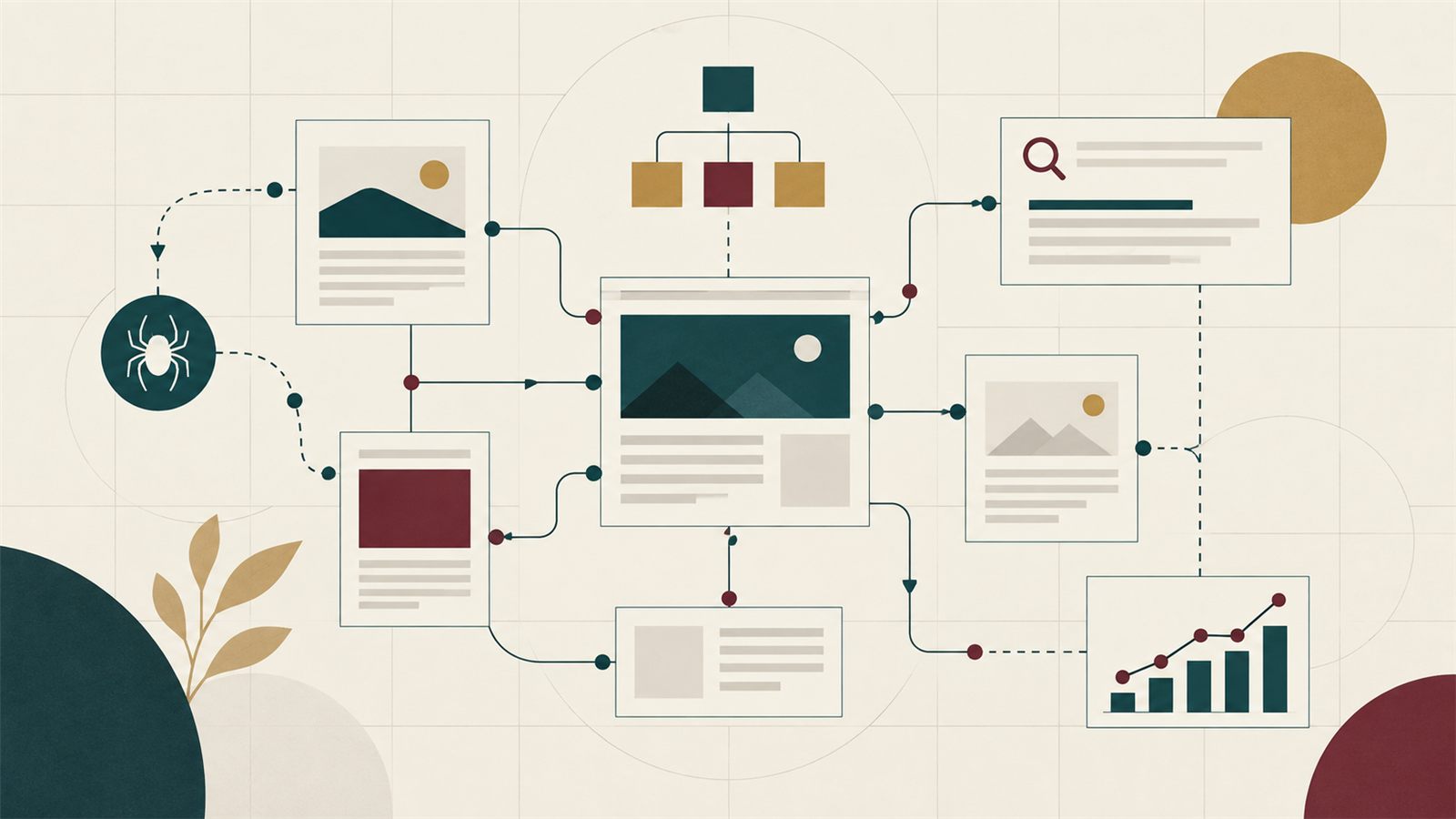
Good SEO is a connected system. It joins technical foundations with search intent, useful content, clear page roles and measurement. A strong result is rarely caused by one tactic. It comes from many small decisions pointing in the same direction.
Start with the problem a searcher is trying to solve
Keyword research is not a hunt for the largest number in a spreadsheet. Search volume can indicate demand, but it does not tell you whether a query is relevant to your offer, whether you can answer it credibly or what the person expects when they click.
A useful evaluation combines volume with search intent, commercial relevance, competition and the quality of the page you could honestly create. A modest query with a clear business need can be more valuable than a broad term that brings the wrong visitor.
- Look for the need behind the words, not only the wording itself.
- Check whether the query fits a real service, question or decision your business can help with.
- Treat difficulty as a prioritisation signal, not a promise that an easy term will rank.
- Prefer a useful page over a page created only to capture a phrase.
Give each important query a clear page owner
Related queries can represent very different moments. Someone comparing a new business website, someone pricing maintenance, someone checking website costs and someone trying to improve an existing site may all use similar words, but they need different answers.
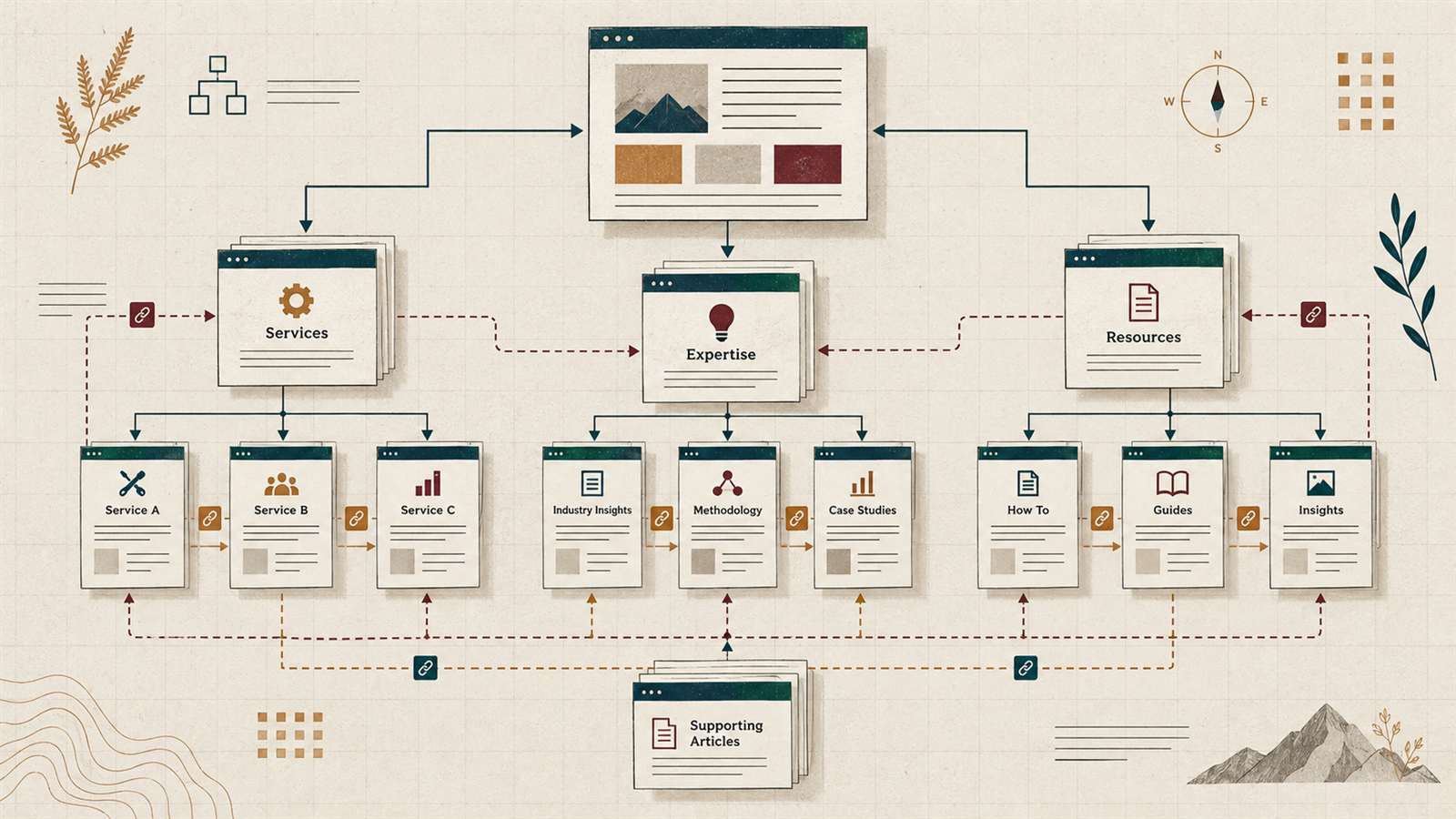
Assigning those needs to specific pages creates a clearer site for people and search engines. A service page can own a commercial service need, a cost guide can explain pricing, and an article can answer a broader educational question. This also reduces the risk of several pages competing for the same intent.
- Use a service page for a service decision.
- Use a supporting article for an informational question.
- Use a local page only where local intent and a useful local answer genuinely exist.
- Review overlapping pages before adding another one.
Make on-page signals say the same thing
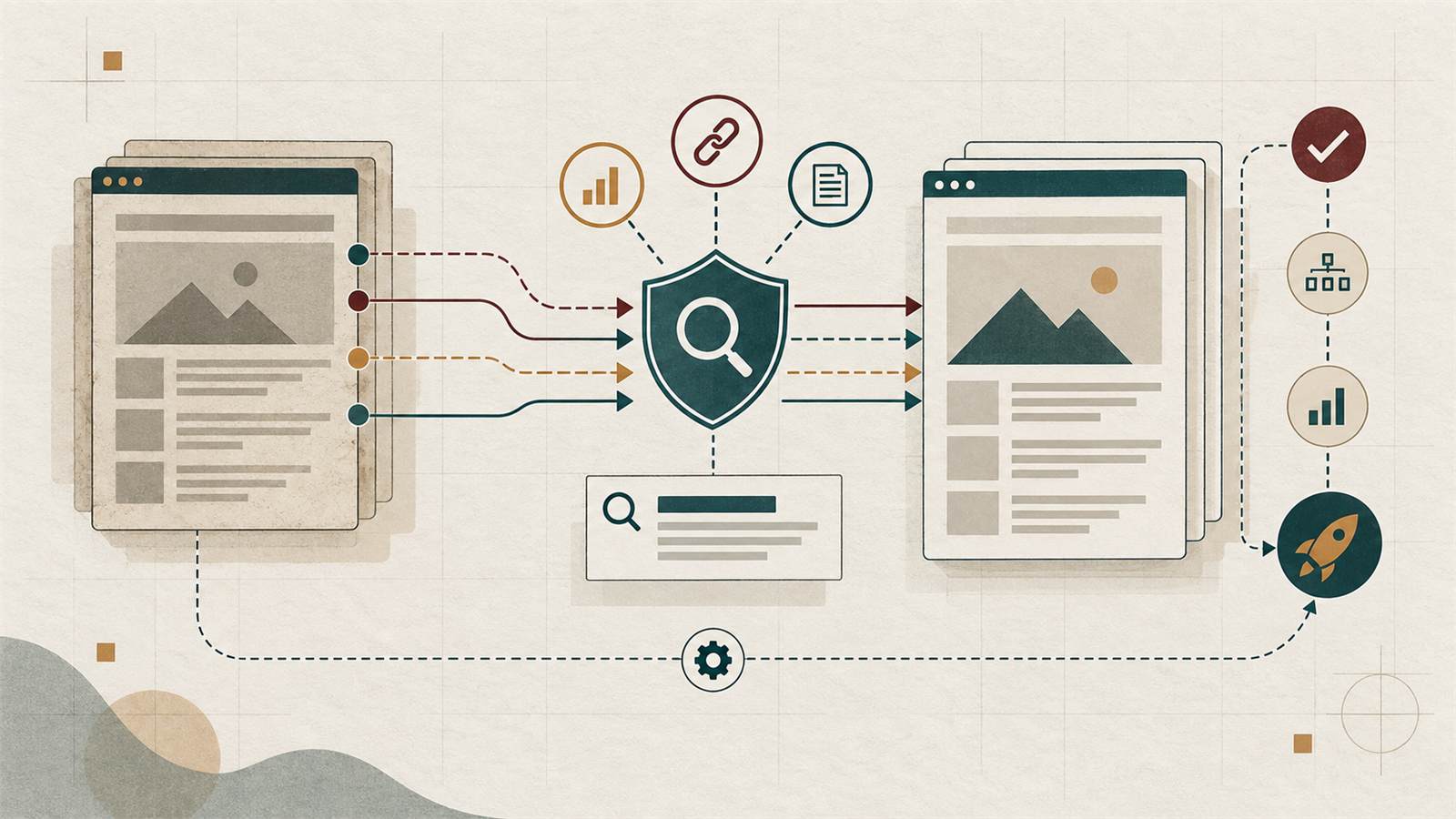
The SEO title, meta description, URL, H1, headings, introduction, images and internal links are not separate optimisation boxes. Together they explain what a page is for, who it helps and how it fits into the wider site.
The title and description shape the search-result invitation. The H1 and opening make the promise clear on the page. Heading structure helps readers scan the answer. Internal links and natural anchor text connect the page to relevant next steps. None of this works better when the same exact phrase is repeated unnaturally.
- Write one clear topic and intent into the page rather than repeating a keyword.
- Use headings to organise a real answer, not to manufacture keyword variants.
- Give images useful alt text when the image adds meaning; keep purely decorative visuals quiet.
- Use links where they genuinely help a reader continue.
Technical SEO keeps the useful work reachable
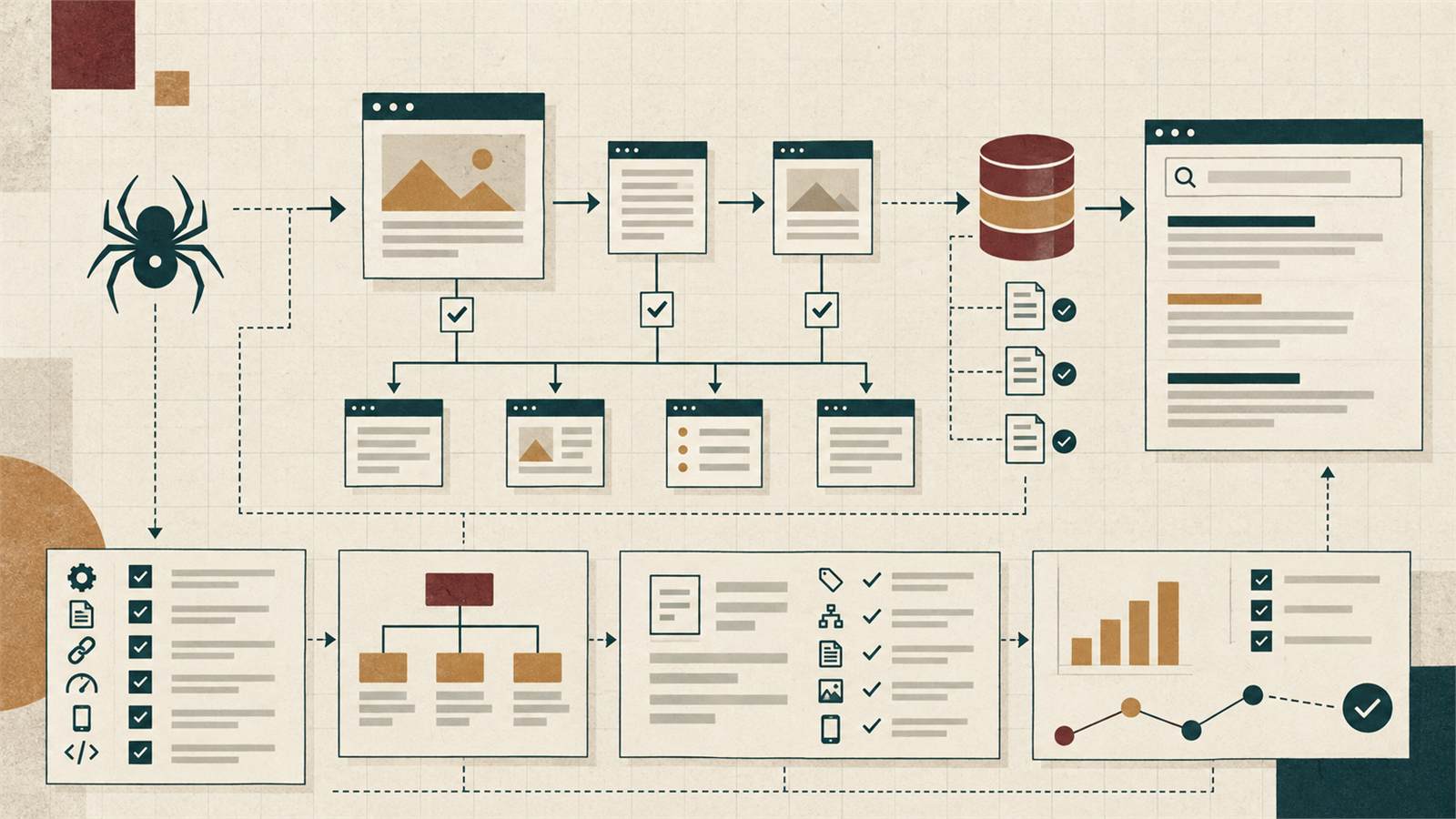
A useful page cannot perform in search if crawlers cannot reach it reliably, if the wrong URL represents it, or if important content only appears after a fragile client-side process. Technical SEO checks the conditions that let search engines discover, crawl, render and interpret the pages worth showing.
That includes status codes, redirects, duplicate URL patterns, canonical URLs, consistent trailing-slash behaviour, server-rendered essential content, sitemap.xml, robots.txt, internal links and broken links. For multilingual websites, hreflang helps search engines understand which language version belongs to which audience.
- A canonical indicates the preferred URL among duplicates; it is not a substitute for a sensible URL structure.
- A sitemap helps discovery of canonical URLs; it does not guarantee indexing or rankings.
- Robots rules guide crawling; they should not accidentally hide valuable pages or assets.
- A redirect should take people and crawlers to the intended live destination in one clear step.
Crawlable, indexable and rankable are different states
Crawlability asks whether a search engine can access a URL. Indexability asks whether that URL is eligible to be stored and shown. Ranking is a later decision about whether the page is a useful result for a particular query. These stages are connected, but they are not interchangeable.
A page can be in a sitemap and still not be indexed. It can be indexed and still not rank for a valuable query. It can rank for an unexpected query that reveals a mismatch between the page's stated purpose and what people actually need. Good SEO diagnoses the stage before choosing a fix.
- Check the actual HTTP response before assuming a page exists for crawlers.
- Avoid accidental noindex directives, broken canonicals and redirects to unrelated pages.
- Review whether the page answers the query it earns impressions for.
- Separate technical blockers from content, relevance and competition questions.
Performance, mobile usability and accessibility support the foundation
Performance is not the whole of SEO, and a good Core Web Vitals report is not a ranking guarantee. It still matters because slow, unstable or hard-to-use pages make it harder for people to complete the task that brought them from search.
Responsive layouts, clear navigation, readable content, semantic structure and accessible interactions improve the experience for many visitors. They also make the site's content and pathways less ambiguous. Structured data can clarify specific entities and relationships for eligible features, but it does not guarantee rich results.
- Prioritise real bottlenecks instead of chasing every performance score change.
- Keep important content available without depending on client-side interaction.
- Test mobile layouts and links as carefully as desktop ones.
- Use structured data to describe real page content, not to manufacture a result type.
Internal links turn separate pages into a system
Internal links help visitors move from a question to the next useful answer. They also give search engines context about which pages are related and where a site places emphasis. A strong link is not a repeated SEO phrase dropped into every paragraph; it is a clear recommendation at the moment it helps.
For example, an article about what SEO involves can point to a technical audit when a reader needs diagnosis rather than more theory. A cost guide can point to a website service when someone is ready to discuss scope. The destination and anchor should make sense in the reader's journey.
- Link from relevant pages, not only from navigation.
- Use descriptive, natural anchors that set an honest expectation.
- Avoid orphaning important pages or creating large groups of identical links.
- Review links after changes to URLs, languages or page ownership.
Use Search Console to learn what happens after launch
Initial implementation is the beginning of SEO work, not the finish line. Search Console helps website owners review impressions, clicks, click-through rate, average position, queries and page-level performance once Google has data to show.
A practical review looks for trends rather than one day's position. Queries and pages sitting roughly around positions 8 to 30 can reveal a page that deserves a clearer answer, stronger supporting links or a better match to search intent. Unexpected queries can expose overlap or an opportunity to clarify a page's role.
- Confirm that important URLs are discoverable and eligible for indexing.
- Compare impressions, clicks and CTR before changing a title or description.
- Use query-to-page data to spot possible cannibalisation.
- Make one evidence-based improvement, then allow time to observe its effect.
Technical and on-site SEO are not all of SEO
This guide focuses on the technical and on-site work that makes a website understandable: foundations, content structure, keyword targeting, on-page signals, internal links and measurement. Off-page SEO is a separate workstream involving backlinks, mentions, digital PR and broader reputation signals. Those signals can matter, but they cannot repair a confusing or technically weak site.
Paid search is different again. Google Ads and other PPC activity are paid acquisition, not SEO. Ads can complement organic search by testing demand or capturing immediate commercial intent, but paying for ads does not directly create organic rankings.
- Treat backlinks as off-page SEO, not a replacement for useful pages.
- Treat PPC and SEO as complementary but distinct acquisition channels.
- Do not expect a checklist, metadata change or structured-data addition to guarantee rankings.
- Build an organic foundation that remains useful even while tactics and competitors change.
Good SEO is disciplined coordination
A website does not need every possible SEO tactic. It needs the right pages, clear intent, honest content, a technically reliable foundation and a way to learn from real search behaviour. That is what turns optimisation from a collection of tasks into a useful system.
If a site has visibility problems but the cause is unclear, start by identifying the evidence and the page roles before changing copy at random. A technical SEO audit is useful when crawlability, indexability, structure, performance or competing signals need a prioritised diagnosis.